
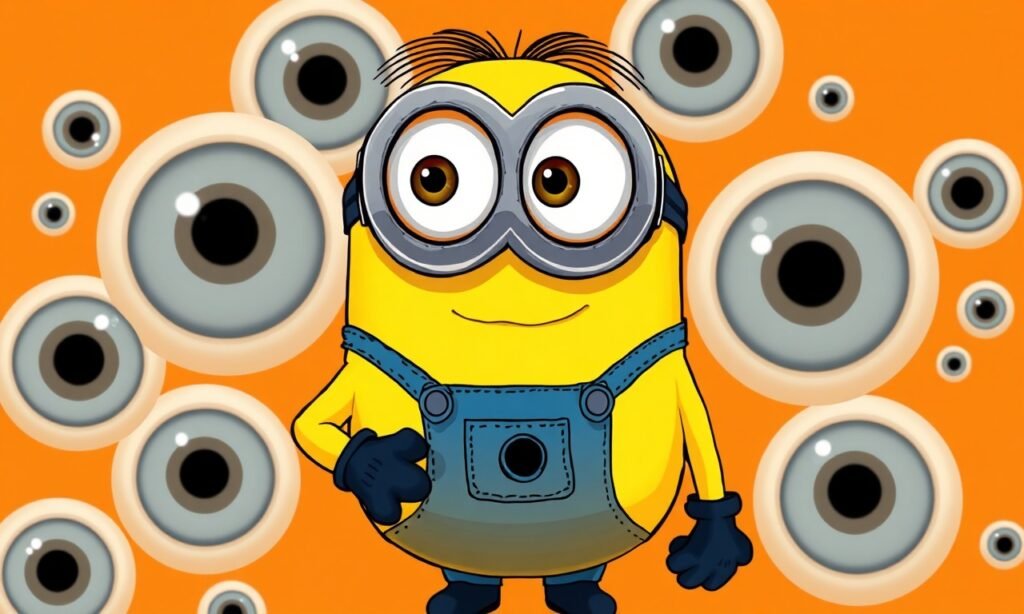
What really happened the day we stumbled onto the Minion statues at the studio museum?
When my kids and I first entered the glass‑walled hallway of the Hollywood studio museum, their eyes wide with wonder, the guide pointed to a display case that housed two larger‑than‑life Minion figures. I could see the kids reach out, half‑expecting the rubbery yellow beings to crack a smile or speak a line from the Minions movie. The moment felt like a scene from the very film we were celebrating—real life mimicking art, and art mimicking real life. That instant of shared disbelief became the anchor for the entire narrative we would unpack later that day.
How did a simple museum visit turn into an unexpected lesson on cinema history?
The guide’s voice softened as she explained that those Minion figurines were not just merch; they were part of a deliberate tribute to the pioneers of the Minions movie. She traced their origins back to Pierre Coffin’s vision, to the early days when they served a cyclops, and then to the modern incarnation where they serve Gru in *The Rise of Gru*. As I watched my children absorb each story—how the Minions wanted to make a monster movie, how a gelatinous Miranda became an unexpected hero—I realized that the museum itself was a living classroom. The real‑world experience of standing amid the relics made the history of the Minions movie feel tangible, like holding a piece of film history in the palm of your hand.
Why does the Minions movie resonate so deeply with both kids and adults?
That afternoon, the narrative shifted from nostalgia to analysis. I could see my older child debating the homage to *Casablanca* while the younger one giggled at the appearance of Gort, the robot from *The Day the Earth Stood Still*. The Minions movie works on dual layers: it is a perfectly timed punchline for grown‑ups who recognize the silent‑era editing techniques, and a vibrant, nonsensical adventure for kids who simply love the characters’ misadventures. The guide’s tale of how the animators recreated the look of celluloid splicing made the technical marvels feel as accessible as a cartoon strip, proving that the Minions movie is a bridge across generations.
Minions movie
The Moment That Sparked the Narrative: The Museum Experience
I still remember the way the museum’s lights dimmed as we approached the Minion display. The guide, a woman with a lifelong love for classic cinema, began with a simple question: “Who are you here to see?” My kids pointed at the yellow statues, then at the nearby panel that read, “From serving a cyclops to serving Gru—the evolution of mischief.” That line, echoed in the Minions movie, felt like a personal invitation. As she narrated how Pierre Coffin and Patrick Delage co‑directed the latest feature, I could see my children’s eyes mirroring the wonder of early filmmakers watching their first moving images. The museum experience turned into a lived story—one where the line between audience and artifact blurred, and the Minions movie became a character in our own family legend.
How the Minions movie Pays Homage to Film History
When the guide spoke of the Universal logo sweeping across the screen, I felt an instant connection to the earliest days of cinema. The Minions movie is packed with deliberate nods: a silent‑era chase sequence that mimics the kinetic energy of Buster Keaton, a vintage intertitle that reads “Welcome to the Club,” and even a cameo by a very surprised George Lucas, who graciously accepts his placement in the museum’s Hall of Fame. Each reference is not a forced shout‑out but a seamless integration, like a hidden musical motif that only the truly cinephile notice. The film’s directors, led by Coffin, deliberately layered these Easter eggs, ensuring that each viewing uncovers another historic parallel, much like the way a collector discovers a new detail on a vintage poster each time they look.
Production Insights: From Sketches to Seamless Animation
Standing before the concept art panel, I was struck by how the Minions’ design evolved from simple rubber bands to fully realized characters. The Minions movie production notes explain that each frame required a team of specialists, from texture artists who recreated the gritty look of 1970s soundstages to editors who mastered the art of celluloid splicing—something my kids had never imagined existed beyond vintage movies. As the guide described the process of animating Miranda, that orange gelatinous creature with myriad eyes, I imagined the countless hours of trial and error that turned a quirky concept into a crowd‑pleasing moment. This behind‑the‑scenes look underscores why the Minions movie feels like a masterclass in modern animation, all while keeping the spirit of classic hand‑drawn cartoon rhythm intact.
Character Dynamics: Villains, Heroes, and the Magic of Mischief
One of the most striking scenes in the Minions movie is the quartet’s quest to create a monster movie. The three Minions—who feel predictable, almost generic—are contrasted with the fourth, Miranda, whose gelatinous form and multi‑eye perspective add an inventive twist. The guide highlighted how Miranda’s role mirrors the evolution of female characters in cinema: from mere plot devices to nuanced protagonists with agency. Meanwhile, the reintroduction of Gort, the robot from *The Day the Earth Stood Still*, brings a layer of tonal ambiguity—part nostalgic homage, part unexpected romance. My kids could not decide whether they loved or loathed Gort, a reaction that captured the film’s clever balancing act between reverence and irreverence, a hallmark of any great Minions movie.
Cinephilic Easter Eggs: References That Reward the Audience
The Minions movie is a treasure trove of film‑history nuggets. Below is a quick list of the most memorable homages you won’t want to miss:
- The sweeping Universal logo that opens the feature—an exact reconstruction of the studio’s first on‑screen brand.
- A silent‑era chase scene that replicates the rapid editing style of the 1920s, complete with stuttered cuts and exaggerated gestures.
- A direct reference to *Casablanca* when the Minions stare at a vintage theater marquee, quoting “Here’s looking at you, kid” in broken English.
- A nod to *The Great Train Robbery* through a brief reenactment of the iconic holdup scene.
- George Lucas appearing as a museum visitor, humorously admitting he doesn’t mind being displayed like a piece of art.
- A hidden storyboard of the celluloid splicing process, showcasing how editors in the 1940s manually pieced together reels.
Bridging Generations: Why the Minions movie Works for Kids and Adults
As the afternoon wore on, the museum guide let slip a personal confession: she first saw the Minions during a midnight screening of the original *Despicable Me* and was hooked. Her story mirrored what many adults feel when they watch the Minions movie with their children—unexpected joy, shared laughs, and a rediscovery of the magic of storytelling. The film’s lightning‑quick pacing, reminiscent of classic vaudeville routines, keeps kids engaged, while the layered references keep adults intellectually stimulated. It’s a rare blend of accessibility and depth, a quality that makes the Minions movie a cultural touchstone for multiple generations.
FAQ 4: How does the Minions movie incorporate real filmmaking techniques into its story?
The directors of the Minions movie embedded authentic production methods—like actual celluloid splicing and vintage editing patterns—into the narrative, using them as visual metaphors for the characters’ own “editing” of their lives. When Miranda assembles the monster, she literally pieces together film strips, echoing the hands‑on work of early editors.
FAQ 5: What role does humor play in teaching cinema history within the Minions movie?
Humor is the vehicle. The Minions’ clueless yet determined pursuit of a monster movie provides comedic relief while subtly explaining concepts like character arcs, narrative structure, and the evolution of special effects—all wrapped in laughs that resonate across age groups.
FAQ 6: Why is the Minions movie considered a homage to classic animation styles?
The film’s animation deliberately references the rubber‑hose style of the 1930s, the limited palette of early Studios, and the expressive exaggeration of golden‑age cartoons, creating a nostalgic palette that both honors and revitalizes those styles.
FAQ 7: How does the Minions movie handle its villain archetype differently from traditional antagonists?
Instead of a straightforward villain, the film presents Gru’s journey as a flawed protagonist, allowing the Minions to serve as moral foils. Their misguided ambitions make the concept of “villainy” fluid, reflecting modern, nuanced storytelling.
FAQ 8: What makes the Minions movie a family‑friendly educational experience?
Each scene is peppered with historical trivia, from the invention of the cinematograph to the rise of sound, all presented in a digestible, tongue‑in‑cheek manner that keeps learning fun rather than didactic.
FAQ 9: How does the Minions movie balance nostalgia with originality?
While the film celebrates cinema’s golden age through cameos and visual homages, it simultaneously introduces fresh characters like Miranda, whose unique design and storyline ensure the narrative remains inventive rather than merely derivative.
¿Te interesa este tema? 🔥 Descubre el producto ideal para ti aquí 👉 Ver más
¿Te gustó el artículo? 💡 Completa la experiencia con este producto relacionado 👉 Descúbrelo aquí